The Paradigm Shift: From Control to Cooperation
Published on: | Reading time: 5 minutes
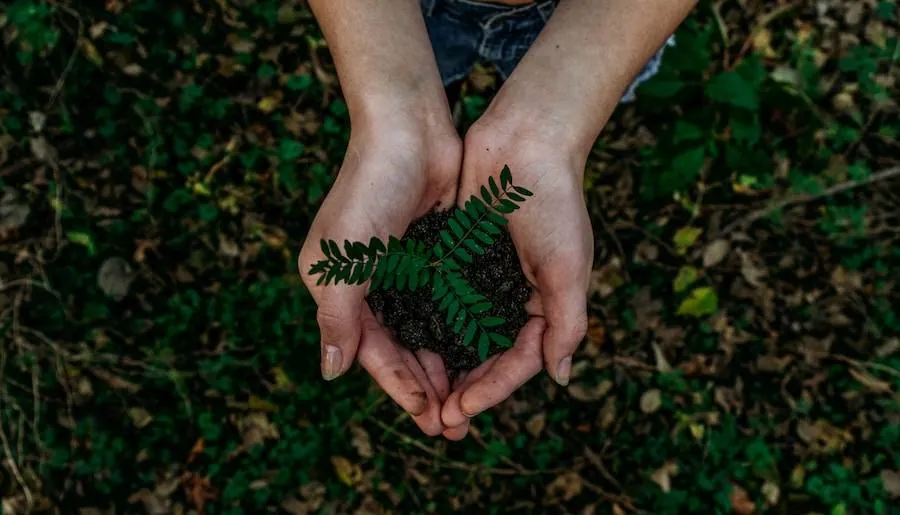
A new vision for an abundant, just, and sustainable future
You may be wondering why I'm writing about the environment on a platform focused on mental well-being. The truth is, our inner world and the outer world are deeply connected. A polluted planet affects our nervous systems, our communities, and our sense of hope. Healing is not only personal, but planetary.
When the air we breathe feels unsafe and systems meant to protect us fall short, it's natural to feel anger, grief, or helplessness. These emotions are not a weakness - they are signals that something deeply human is asking for care and change.
For centuries, the dominant model of progress has been rooted in control - over nature, over resources, and often over one another. But this model has reached its limits. Climate change, environmental degradation, rising inequality, and social unrest are not isolated crises; they are interconnected symptoms of a deeper imbalance - the illusion of separation between humans and nature, between economy and ecology.
It is time for a paradigm shift - from control to cooperation.
- From extracting more to honoring enough.
- From short-term gains to long-term regeneration.
- From consumerism to conscious living.
Nature is not scarce - it is abundant by design.
Ancient cultures, including those of Tamil Nadu, have long shown us that living in alignment with nature is not only possible - it is profoundly wise and sustainable. The Eri (tank) systems, temple water bodies, and decentralized water management practices once flourished through community participation and deep ecological understanding. Today, modern rainwater harvesting methods and circular economy innovations can build upon this legacy - if we choose to cooperate with nature rather than dominate it.
An Eco-Friendly Lifestyle Is Both Scalable and Humane
Eco-conscious living is often dismissed as impractical or elitist. But when rooted in local knowledge, circular systems, and regenerative practices, it becomes a powerful engine for livelihood, dignity, and resilience. From sustainable farming and waste-free crafts to community-based energy solutions, green pathways offer not just environmental benefits, but employment, equity, and peace.
This model does not require sacrifice - it demands reorientation.
- Less exploitation. More restoration.
- Less centralization. More community.
- Less consumption. More connection.
The Social Impact Runs Deep
When people live with dignity, close to nature and to one another, crime falls, mental health improves, and meaning returns to everyday life. The root of much social unrest is not evil - it is disconnection. An eco-socio-economic shift based on cooperation has the power to heal ecosystems and societies together.
The Time Is Now
This is not a utopian dream. It is a realistic, rooted, and regenerative path forward. The world already holds the tools - from traditional ecological wisdom to modern innovation. What we need is the courage to reimagine our systems, policies, and priorities.
This shift begins not only in governments and global frameworks, but in everyday choices - how we consume, relate, and care. Each act of cooperation, however small, is a step toward collective healing.
And just as our planet needs restoration, so do our inner worlds. Many of the same patterns that harm the Earth - overcontrol, disconnection, neglect - also show up in our minds, relationships, and nervous systems. Healing within supports healing without.
If you find yourself longing for deeper connection, balance, or clarity in your own life, therapy can be a meaningful place to begin. At Heal with Amritha, healing is approached as a compassionate, collaborative journey - honouring your inner ecosystem while gently supporting growth, resilience, and well-being.
Book a session with us. Let us begin the journey - from control to cooperation.
Within ourselves, within our communities, and with the world we share.
Let us design a future not just where some can thrive, but where all life flourishes together.